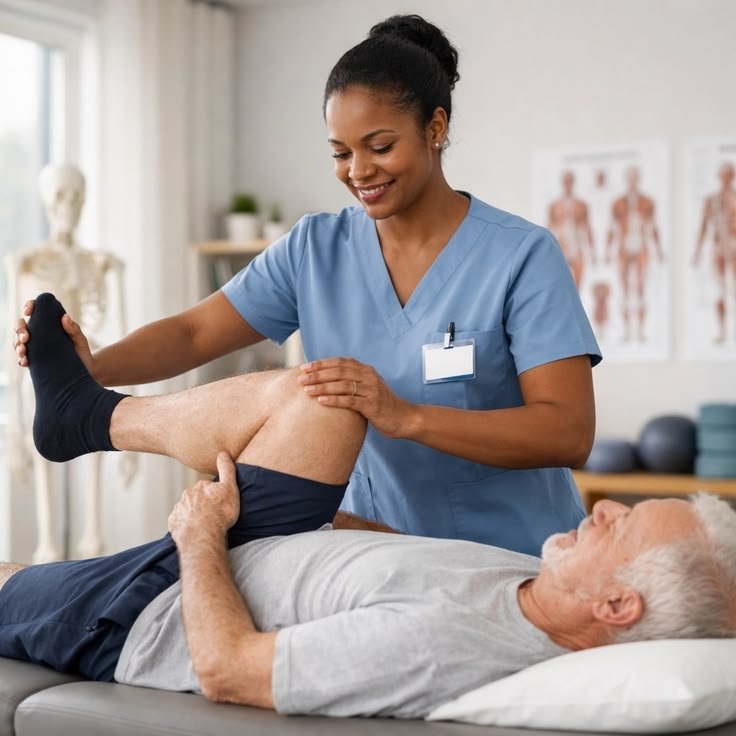
DPT JOBS ABROAD
Jobs Abroad After DPT: Career Opportunities
Introduction to DPT Jobs Abroad
A Diploma in Physiotherapy can provide students with a foundation for building a career in the healthcare and allied health sector. For students who want to explore international opportunities, DPT jobs abroad can be an attractive career option. However, working in another country requires candidates to understand the destination country's qualification, registration, licensing, language, experience, and immigration requirements.
Physiotherapy is an important part of healthcare because it focuses on movement, rehabilitation, mobility, and physical functioning. Depending on their qualifications and professional registration, physiotherapy professionals may work in hospitals, clinics, rehabilitation centres, elderly-care facilities, sports environments, and other healthcare settings.
What Are DPT Jobs Abroad?
DPT jobs abroad refers to employment opportunities outside India for candidates who have completed a Diploma in Physiotherapy or a relevant physiotherapy qualification.
Students should remember that a DPT qualification obtained in India does not automatically allow them to work as a licensed physiotherapist in every foreign country. Each country has its own rules for recognising overseas qualifications.
Depending on the destination, candidates may need qualification assessment, additional education, professional examinations, registration, or a licence before they can practise.
Why Consider DPT Jobs Abroad?
• International exposure: Working abroad can provide exposure to different healthcare systems, professional environments, and rehabilitation practices.
• Professional development: Overseas experience may help candidates improve their professional, communication, and workplace skills.
• Further education: Some students may choose to continue their studies abroad and obtain additional qualifications.
• Diverse work environments: Depending on local regulations, physiotherapy-related professionals may work in hospitals, clinics, rehabilitation centres, sports settings, and elderly-care facilities.
Important Requirements Before Going Abroad
Before applying for DPT jobs abroad, candidates should research the professional requirements of their preferred country. Qualification recognition is one of the most important considerations.
Candidates should check whether their DPT qualification is accepted by the relevant authority. They may also need to fulfil language, registration, licensing, work experience, and visa requirements.
DPT Course at SSIT College
Students who want to build a foundation in physiotherapy can explore the DPT (Diploma in Physiotherapy) course offered by SSIT College of Management and Allied Health Sciences in Barasat.
The course has a duration of 2 years and is affiliated with an NSDVE/UGC approved University. Students can learn more about the course through the SSIT College DPT course page.
For students planning a future career in India or abroad, selecting an appropriate course and understanding professional requirements early can help with long-term career planning.
“A successful international healthcare career begins with the right qualification, proper registration, and a clear understanding of the destination country's requirements.”
Jobs Abroad After DPT: Career Opportunities
Countries and Career Opportunities After DPT
When exploring DPT jobs abroad, students should understand that career opportunities and eligibility can differ significantly from one country to another. The healthcare sector has different regulatory systems, and a qualification that is accepted for one type of role in one country may not automatically provide eligibility for the same role elsewhere.
Therefore, students should research the professional regulatory authority and qualification requirements of their preferred destination before making an international career plan.
Countries Students May Research for Physiotherapy Careers
Students interested in international healthcare careers may research countries such as the United Kingdom, Australia, Canada, New Zealand, and other destinations where physiotherapy is a recognised healthcare profession.
However, the availability of jobs and eligibility for professional practice depend on the candidate's qualification, registration status, experience, language ability, and the rules applicable in that country.
• United Kingdom: Candidates interested in working as physiotherapists generally need to understand the requirements of the relevant UK professional regulator and qualification-recognition process.
• Australia: Students should research the Australian requirements for overseas-qualified physiotherapy professionals, including qualification assessment and registration.
• Canada: Candidates should check the requirements of the relevant provincial regulatory authority because professional regulation can vary across provinces.
• New Zealand: Students should research the local registration and qualification requirements before applying for physiotherapy positions.
Potential Workplaces After DPT
Depending on qualification and professional eligibility, candidates exploring DPT jobs abroad may find healthcare-related opportunities in different settings.
• Hospitals: Hospitals may have physiotherapy and rehabilitation departments where qualified professionals provide appropriate patient support.
• Rehabilitation centres: Rehabilitation facilities can provide opportunities related to physical rehabilitation and recovery services.
• Physiotherapy clinics: Candidates who meet the relevant professional requirements may explore opportunities in private or community-based clinics.
• Elderly-care facilities: Physiotherapy and mobility support can be relevant in elderly-care environments, subject to local professional requirements.
• Sports and fitness settings: Qualified professionals may explore opportunities connected with sports rehabilitation and physical performance, depending on their registration and scope of practice.
DPT Jobs Abroad: Important Career Factors
| Career Factor | Why It Matters |
|---|---|
| Qualification | The destination country may assess your educational qualification |
| Registration | Professional registration may be compulsory |
| Licence | Some countries require a licence before practice |
| Language | Language proficiency may be required |
| Experience | Certain positions may prefer or require professional experience |
| Visa | Candidates need appropriate permission to work |
| Additional Study | Further education may be required in some cases |
How to Prepare for an International Career
Students interested in DPT jobs abroad should start planning before completing their education. Understanding the requirements of the target country can help them identify whether additional qualifications, examinations, registration, or experience may be necessary.
Students should maintain their academic documents, certificates, transcripts, and relevant experience records properly. They should also research the official professional regulator of the destination country rather than relying only on recruitment advertisements or unofficial information.
Skill-oriented education is also important for healthcare careers. Students can learn more about vocational and skill-development information through the NSDVE official website.
Why Choose the Right DPT Course?
A strong academic foundation can help students understand physiotherapy concepts and prepare for future learning. SSIT College of Management and Allied Health Sciences offers a DPT (Diploma in Physiotherapy) course with a duration of 2 years in Barasat.
The course is affiliated with an NSDVE/UGC approved University, making it an option for students interested in pursuing diploma-level physiotherapy education.
Students should always verify the latest professional requirements of their chosen country before planning to work abroad.
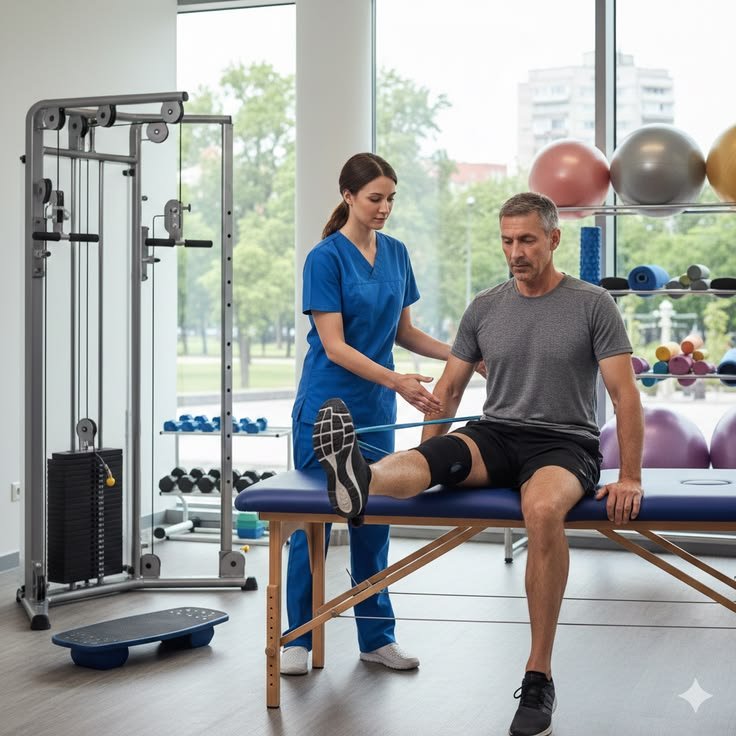
Jobs Abroad After DPT: Career Opportunities
How to Build a Career Abroad After DPT
Planning for DPT jobs abroad requires more than simply completing a diploma course. Students should understand the professional pathway of their preferred country and determine whether their qualification is sufficient for the position they want to pursue.
In many countries, physiotherapy is a regulated healthcare profession. This means that candidates with overseas qualifications may need to complete a qualification assessment, registration process, examination, language requirement, or additional education before they can practise professionally.
Steps to Plan a Career Abroad
• Choose the right DPT course: Start with a suitable educational program that provides a strong foundation in physiotherapy.
• Research your destination country: Every country has different rules for foreign-qualified healthcare professionals.
• Check qualification recognition: Find out whether your diploma is recognised and whether additional education is required.
• Understand registration requirements: Identify the relevant professional regulatory authority and check its current requirements.
• Develop practical experience: Relevant experience can strengthen a candidate's professional profile, although requirements vary between countries and employers.
• Meet language requirements: Some countries or employers may require candidates to demonstrate proficiency in English or another local language.
• Check visa requirements: Candidates must have the appropriate immigration permission to work in their chosen country.
• Verify job requirements: Always check the qualification and registration requirements for the specific position before applying.
Career Growth After DPT
A DPT qualification can provide an initial foundation in physiotherapy. Students who want long-term professional growth may consider additional education and training according to their career goals.
Further qualifications can potentially expand academic and professional opportunities. However, students should select additional courses based on the requirements of the country and professional role they want to pursue.
For students researching DPT jobs abroad, it is particularly important to distinguish between general healthcare support roles and regulated physiotherapist positions. The qualification required for each role may be different.
Benefits of Planning Early
Starting international career planning early can help students understand what they need to achieve before applying for overseas employment.
• Better career planning: Students can identify the qualifications and skills needed for their preferred destination.
• Awareness of regulations: Early research helps students understand registration and licensing requirements.
• Preparation for additional qualifications: If further education is required, students can plan their academic pathway accordingly.
• Improved professional readiness: Students can focus on developing relevant knowledge, practical skills, and communication abilities.
SSIT College for DPT Education
For students looking for a foundation in physiotherapy, SSIT College of Management and Allied Health Sciences offers a DPT (Diploma in Physiotherapy) course in Barasat.
The course duration is 2 years, and the course is affiliated with an NSDVE/UGC approved University. Students interested in the program can explore the DPT course details at SSIT College.
The college can be considered by students who want to begin their education in physiotherapy and later explore suitable career or further-study opportunities, including international pathways where applicable.
Final Thoughts on DPT Jobs Abroad
International healthcare careers can offer students the opportunity to gain exposure to different professional environments. However, candidates should understand that a DPT diploma does not automatically guarantee eligibility to work as a licensed physiotherapist in another country.
The pathway to DPT jobs abroad depends on the destination country's qualification-recognition system, professional registration, licensing requirements, language proficiency, experience, and immigration rules.
Students should always rely on official regulatory authorities and verified employers when researching overseas opportunities. Careful planning, appropriate education, and awareness of professional requirements can help students make informed decisions about

Comments ( 0 )
Leave A Comment